
Written by Emily Greffenius. Reviewed by Meghan Farrell, CPT, BSN
Green powders aren’t exactly new – but they probably feel like they are. It seems like they’re all over the place, on every social media feed from Instagram to TikTok. Much of that can be attributed to many of the new patterns in digital marketing, including influencer partnerships and the increase in popularity of many products related to the wellness industry.
But when it comes to what you see when you’re scrolling on your break or at the end of a long day, what can you trust? Are all those people touting the benefits of green powders really telling the truth? Let’s dig a little deeper into what exactly green powders are and whether they’re a worthwhile investment for your wellness.
What Are “Green Powders” (Or “Powdered Greens”)?
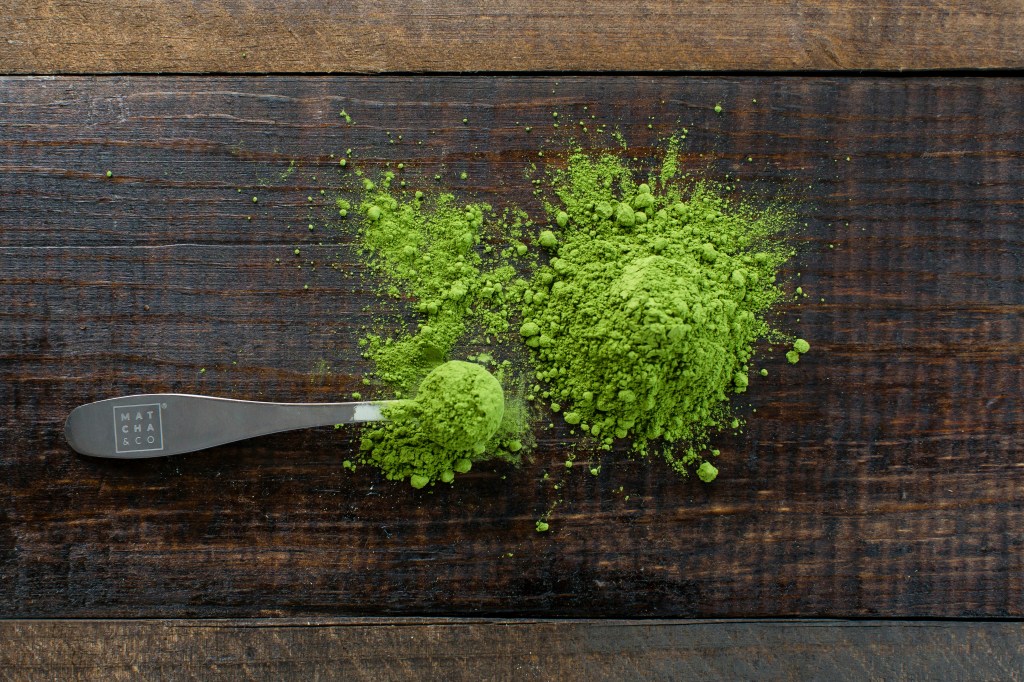
Green powders, sometimes also referred to as powdered greens, typically consist of a variety of fruits and vegetables that have been freeze-dried and then ground down into a very fine, well, powder. In its powdered form, these greens are then mixed into something else you’re planning to consume – a glass of water, some juice, or even a smoothie.
Essentially, these green powders act as a nutritional or dietary supplement. Like all other dietary supplements, however, green powders are not approved by the FDA. The FDA plays a role in regulating dietary supplements once they reach the market, but they are not involved in the testing and approval process beforehand. This means that there are no standards about what should or shouldn’t be in these green powders.
The ingredient lists can vary from brand to brand, containing anywhere from just a few ingredients to a whole, long list. Some common ingredients, however, may include:
- Leafy greens (spinach, kale, etc.)
- Chlorella or spirulina (varieties of seaweed)
- A wide variety of vegetables (broccoli, cabbage, beets, carrots, etc.)
- Grasses (like wheatgrass)
- A range of fruits (blueberries, acai, raspberries, etc.)
- Herbs (parsley, basil, etc.)
- Green tea extract
In some cases, additional vitamins, minerals, probiotics, or prebiotics may also be included in the ingredients list.
The goal of a green powder is to provide you with a convenient and concentrated source of the nutrients, vitamins, minerals, and antioxidants that are most plentiful in fresh fruits and vegetables and may be lacking in your everyday diet – at least, that’s certainly how they’re marketed.
It’s true that the vast majority of Americans are not meeting the recommended dietary goals for consuming fruits and vegetables, but are green powders really the answer? Let’s take a closer look at some of the potential benefits – and drawbacks – of incorporating a green powder into your diet.
Potential Benefits of Powdered Greens
There’s rarely anything bad about consuming some more fruits and veggies, so here are some of the ways that using a green powder might positively contribute to your wellbeing:
May Help Meet Your Nutrient Needs
According to the Centers for Disease Control and Prevention (CDC) only 1 in 10 Americans is eating enough fruits and vegetables (per national recommendations on what “enough” is). So, if you’re part of the 90% that maybe isn’t getting in your three to four (or more) servings a day, a green powder may help you consume more vegetables and meet those nutrient needs.
It’s important to look at your current diet first, however. If you’re already eating a wide variety of fruits and vegetables – and doing so consistently – then you’re likely meeting your nutrient needs from your diet alone, and a green powder wouldn’t be necessary.
May Naturally Boost Energy
Depending on the brand of powdered greens you choose and the ingredient list, your blend may have some naturally energy-boosting ingredients. Some brands, for example, include green tea extract, which naturally contains caffeine and may be a potential source of energy without consuming other, caffeine-based beverages. Studies on these energy boosting properties, however, have not necessarily been conclusive.
May Improve Gut Health & Support Immune System
If you happen to choose a brand of green powder that also includes probiotics, prebiotics, or both as part of its ingredients, using these powdered greens may help contribute to an improvement in the health of your gut and its microbiome.
Plus, your gut – and the good, healthy bacteria that live there – are an important component of your immune system. When you have a healthy gut, you help support a healthy immune system.
Potential Drawbacks of Powdered Greens
Meeting your nutrient needs, boosting your energy, improving your gut health and immune system – all of those sound like things we should be working toward. So why not invest in some powdered greens? Well, the potential benefits don’t necessarily tell the whole story. Here are some potential drawbacks of incorporating powdered greens into your diet:
May Distract From an Overall Healthy Diet
Overwhelming, research shows that a consistent diet of whole, nutritious foods high in fiber – including naturally occurring vitamins and minerals in fruits and vegetables – is the best choice to support overall health. Several brands of green powders, however, have very little fiber. So, while you might be getting the vitamins and minerals you need, you wouldn’t necessarily be meeting other dietary recommendations with a green powder.
Green powders can come across as a fix-all, but it can be possible to run into trouble when they’re thought of as a replacement in a diet – drinking a green powder instead of eating whole fruits and vegetables – rather than an addition to help with that last push over the threshold of meeting vitamin and nutrient needs. By using green powders, some people may think they’re meeting their quota for fruits and vegetables when they’re not.
Potential Vitamin Loss
There’s no way around it: powdered greens are highly processed. And, as is the case with many highly processed foods, there tends to be some loss of vitamins and nutrients due to factors like heat and oxidation throughout the various steps taken to prepare these green powders.
Because of this, many green powders contain fewer grams of fruits and vegetables than you might initially expect. This is another reason that powdered greens can potentially be advantageous when added to a diet, but not necessarily as a replacement for eating your fruits and vegetables. If you were to only drink powdered greens, you very likely wouldn’t meet the recommended threshold for fruit and vegetable consumption.
Not Approved By the FDA
As mentioned earlier, green powders – just like other dietary supplements – are not approved by the FDA. They have not been evaluated for safety or efficacy. What that means is there’s really no guarantee that you’ll see any of the desired health benefits, or even that what’s listed on the package is in the package.
Some green powders have been third-party tested, and those can usually be a better choice since there has been some form of evaluation of the product.
May Contain Heavy Metals
Along the same lines of green powders not being approved by the FDA and lacking a guarantee of what’s actually in the package, some powdered green products could potentially contain harmful compounds like heavy metals or other contaminants.
Regularly consuming high amounts of heavy metals can be seriously detrimental to your health. This is another reason to, if you decide to purchase a green powder, find one that’s third-party tested so you can trust what’s listed on the ingredients label.
So, Are Powdered Greens Worth It?
Overall, when we look at the potential benefits and the potential drawbacks of green powders, it seems like the answer is: they can be worth it for some people, primarily those who have a hard time eating enough fruits and vegetables.
Many of the benefits of green powders rely primarily on consuming enough vitamins, minerals, and nutrients, all of which you can get directly from consuming fruits and vegetables. Likely, a green powder isn’t worth it if you’re already eating a varied diet.
For example, one of the potential benefits of green powders is that they can possibly support your immune system through their high concentration of vitamins A and C. Vitamin A, however, can also be found in leafy green vegetables, some types of fish, eggs, dairy products, and some types of meat, while vitamin C can also be found in citrus fruits, berries, potatoes, tomatoes, peppers, and cruciferous vegetables. If your diet contains any number of these, you probably don’t need a powdered green to support your immune system.
Additionally, it can be difficult to prove that any of these green powders actually work. While we certainly know the benefits of consuming a variety of vitamins and nutrients, it’s difficult to tie any of those positive outcomes to green powders. There have been very few studies looking at the effectiveness of using powdered greens, and the studies that have been conducted haven’t been very long or included very many participants.
But, at the end of the day, green powders are not the fruits and vegetables they come from, and we shouldn’t necessarily extrapolate the health benefits from nutritious whole foods to these green powders. So, while it’s clear that a diet rich in vitamins and minerals is important, there’s no clear tie between green powders and significant health benefits.
On top of that, green powders can be expensive – in most cases, more expensive than buying fresh, frozen, or canned fruits and vegetables.
So, when you weigh out all the pros and cons, green powders may be worth it for you if you genuinely feel like you need a little extra boost in your day-to-day nutrient consumption. But if you’re looking for major health benefits, or to meet all of your daily nutrient requirements in one fell swoop, investing in a green powder probably isn’t the answer.
Take Your Health Back Into Your Hands: Work With a Coach
It can feel like there’s so much information – and misinformation – out there about the different products to purchase or things you should do to take care of yourself and your health. Just like with green powders, it can be hard to tell what exactly the right choice is, and what’s worth it.
Working with a fitness and nutrition coach could be the right choice for you. It’s an investment in you and your health in the long run. There are no flashy products, no catchy slogans on programs that guarantee you results in an unbelievably short amount of time – just you working with your coach on the daily habits and routines that will ensure major health benefits, for a long and healthy life.
If you’re curious what it’s like working with an online fitness and nutrition coach, read my comprehensive guide. And if you think online coaching is for you, head to my inquiry form so that we can connect one-on-one.
 MFarrellFIT
Leave a comment