
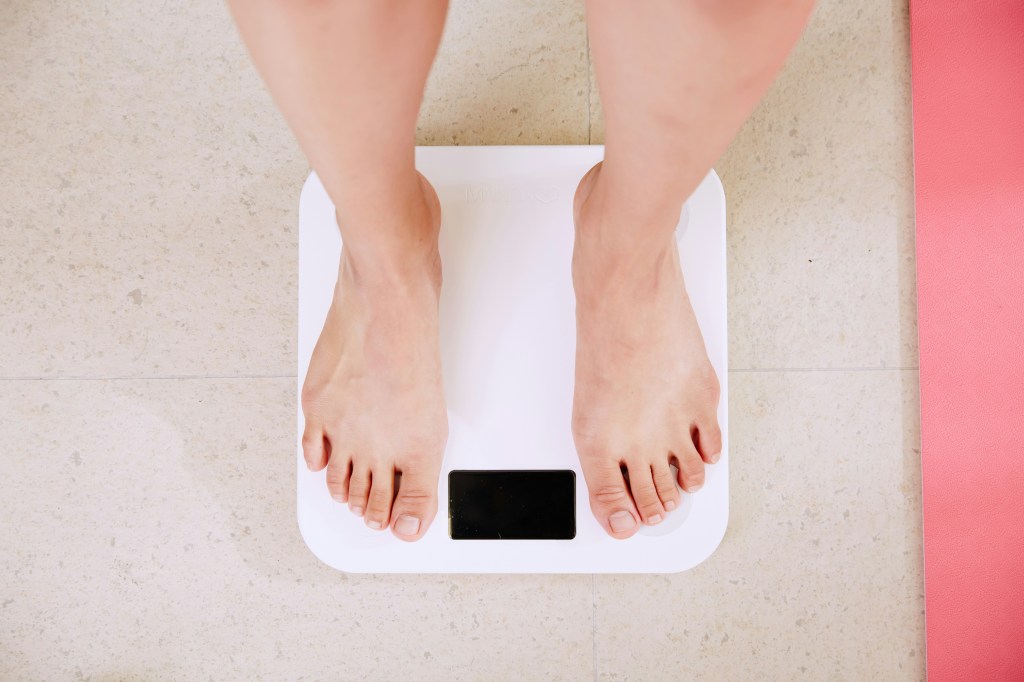
You step on the scale, see a number you didn’t expect, and suddenly all your hard work feels meaningless. Sound familiar?
If so, you’re not alone, and you’re definitely not failing. The truth is, that number on the scale tells only a fraction of the story when it comes to your health and fitness journey. In fact, it can often mislead you completely.
This post will break down why scale weight isn’t the most accurate measure of progress and what you should track instead to truly see how far you’ve come.
Why the Scale Can Be Misleading
We’ve been taught to see the scale as the ultimate judge of our health and fitness progress. Step on, see a lower number, feel accomplished. See a higher number, feel like a failure. But the reality is far more complex and far less dependent on a single moment in time.
Weight fluctuates constantly, sometimes even within the same day. After a salty meal, an intense workout, a stressful week, or during certain phases of the menstrual cycle, your body naturally holds onto more water. That can make the number on the scale swing up, even if you’ve been doing everything “right.” It’s not fat gain, it’s biology.
If you’re incorporating strength training, your body may be gaining lean muscle, which is denser than fat but takes up less space. This is an amazing thing for your metabolism and long-term health, but it might result in the scale staying flat or even going up. Similarly, poor sleep or high stress can increase cortisol levels, which not only slows fat loss but encourages your body to retain more water and body fat as a protective response.
What’s more, the scale doesn’t tell you what you’re losing or gaining. It doesn’t distinguish between fat, muscle, water, or even how full your stomach is. And it certainly doesn’t capture your energy levels, your strength, your confidence, or your consistency.
So while the scale might give you data, it’s often incomplete and sometimes downright misleading.
What to Track Instead
If you’re looking to measure real, meaningful progress, here’s what to focus on instead:
1. Strength Gains
Progress in the gym is a clear, empowering sign of physical growth. Are you lifting heavier weights? Pushing through more reps? Recovering faster? Those are milestones worth celebrating.
You might not see a big drop on the scale, but if your deadlift is 50 pounds heavier than it was last month, you’re doing something very right.
2. Body Measurements
Tracking inches lost (or gained, depending on your goals) gives a more accurate picture of body composition changes. Measure your waist, hips, chest, arms, and thighs regularly, ideally every 2–4 weeks.
It’s not unusual to drop a few inches while the scale stays the same if you have a weight loss goal because you’re building muscle while shedding fat.
3. How Your Clothes Fit
Your clothes can be one of the most telling indicators of physical change, and unlike the scale, they tend to reflect what’s actually happening to your body composition.
If your goal is fat loss, you may start to notice that your clothes feel looser, even if the number on the scale hasn’t changed much. You may find yourself reaching for smaller sizes or rediscovering pieces you’d tucked away. These are powerful signs that you’re losing inches due to fat loss and improved muscle tone, regardless of what the scale says.
On the other hand, if your goal is to gain muscle, your clothes may begin to fit differently in other ways, and that’s something to celebrate too. You might notice your sleeves getting snug around the arms, or your shoulders filling out your tops more than before. Your thighs might feel more muscular in leggings or pants, even if your waist remains the same or gets smaller. This is body recomposition: trading fat for strength, and building lean muscle in all the right places.
4. Progress Photos
Weekly or biweekly photos in consistent lighting can help you see what the scale won’t show. These images offer an objective visual record of your transformation – something you might miss in the mirror every day.
5. Energy Levels and Mood
Feeling stronger, sleeping better, or finally getting through the afternoon without that 3pm crash? Those are signs of metabolic and hormonal improvements that matter far more than scale weight.
Better energy and improved mood often mean your nutrition, movement, and sleep habits are working in your favor.
6. Endurance and Performance
If you’re able to run farther, climb stairs without getting winded, or get through a tough workout without needing as many breaks, your cardiovascular health and stamina are improving—regardless of what the scale says.
Shifting Your Mindset
Letting go of the scale as your primary progress tracker means redefining what progress actually looks like.
Start by remembering this: your body is not a problem to be solved; it’s a system to be supported. The goal is not just to shrink, but to grow stronger, more energized, more capable, and more at peace with yourself.
That begins with paying attention to how you feel instead of obsessing over what you weigh. Are your workouts getting easier? Are you sleeping better? Do you feel more confident in your skin—even if the number on the scale hasn’t budged?
True transformation happens in those quiet, everyday moments where you choose nourishment over punishment, movement over guilt, and consistency over extremes. It’s in the extra push during your workout, the vegetables you add to your plate, the rest you give your body without shame.
It also helps to detach your self-worth from your appearance or weight altogether. You are not defined by a number. You are not better when you weigh less or worse when you weigh more. You are a whole, evolving human, one who deserves respect, rest, and pride in your effort.
Progress isn’t always linear, and it’s rarely dramatic. But when you shift your mindset to appreciate the bigger picture, the process becomes more joyful and far more sustainable.
Final Thoughts
The scale is one tool, and a flawed one at that. It doesn’t measure your effort, your consistency, or your growth. It doesn’t reflect how far you’ve come, or where you’re headed.
So the next time that number messes with your head, step back and take inventory of the progress that actually matters: Your strength. Your stamina. Your energy. Your confidence.
Those are the things worth tracking and worth fighting for.
Written by Emily Greffenius. Reviewed by Meghan Farrell, CPT, BSN
 MFarrellFIT
Leave a comment