
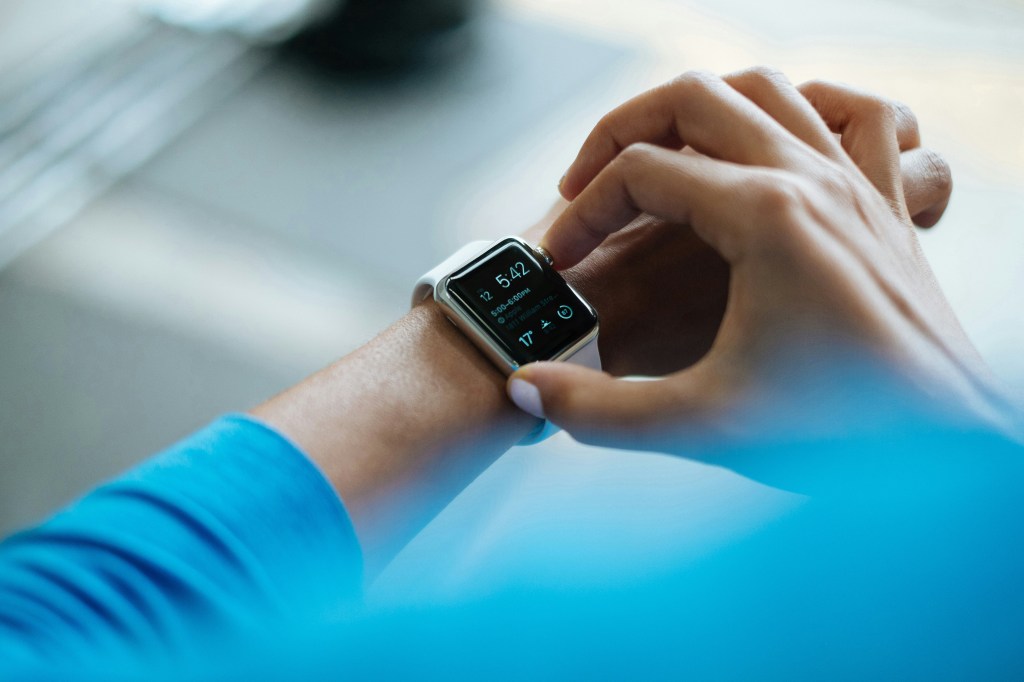
We’ve never had more data at our fingertips. From sleep cycles and recovery scores to real-time heart rate and daily readiness metrics, wearable fitness tech has changed how we train, rest, and measure success. But as tools like Whoop, Oura Ring, and the Apple Watch become more central to our routines, a key question has emerged: Are these trackers helping us get stronger or making us second-guess every move?
Let’s break down the pros and cons of data-driven training, explore the science behind recovery scores and Heart Rate Variability (HRV), and unpack how to find the right balance between listening to your body and trusting the tech.
The Promise of Wearables: Why We Love the Data
Fitness trackers have revolutionized the way we approach health. No longer do we rely solely on vague feelings of being “tired” or “ready.” Now, we have numbers to back it up.
Wearables like Whoop and Oura offer detailed insights into your body’s daily performance. You can monitor your heart rate, see how much REM sleep you got, track your recovery, and even gauge your body’s ability to handle strain or stress on any given day. Apple Watch takes a broader lifestyle approach, tracking steps, calories, VO2 max, and encouraging movement through gamified “activity rings.”
And that’s one of the biggest perks: motivation and accountability. For many users, seeing those numbers go up or rings close creates a sense of accomplishment and pushes them to stay consistent. You’re no longer just working out; you’re working with your body, using data to make smarter choices around training and recovery.
When the Numbers Take Over: The Downsides of Over-Reliance
There’s a point where helpful data can start to undermine your confidence. Maybe you wake up feeling rested and energized, ready to hit a workout you’ve been looking forward to, but your tracker flashes a low recovery score, and suddenly you start to second-guess yourself. You wonder if you’re really tired, even if your body doesn’t feel that way.
That kind of doubt can creep in quickly. Instead of using data as a guide, it becomes a gatekeeper, telling you what you can or can’t do, even when your own instincts say otherwise. Over time, this can lead to “analysis paralysis,” where you become so focused on your numbers that you hesitate to train, modify too much, or feel pressure to always have a “perfect” day.
It’s not just performance that suffers. Many people report feeling more anxious around sleep or recovery when they’re constantly checking metrics. A poor night of sleep feels worse when your ring or strap confirms it. A few low HRV readings can trigger a stress spiral, even if they’re normal fluctuations.
And then there’s the simple fact that the data isn’t always accurate. Wearables, while advanced, can misread signals, especially when factors like travel, alcohol, illness, or device placement come into play. Trusting numbers without context can lead to misinformed choices, pushing you to train harder than you should or rest when your body is actually craving movement.
Understanding the Metrics: What’s Actually Being Measured?
To use wearables wisely, it helps to understand what the key metrics actually mean:
- HRV (Heart Rate Variability): This measures the variation in time between heartbeats. Higher HRV usually signals a well-recovered nervous system. Lower HRV can indicate stress, fatigue, or the need for more recovery.
- Recovery or Readiness Scores: Devices combine your HRV, sleep quality, strain, and resting heart rate to create a daily readiness or recovery score. It’s a snapshot of how prepared your body is for physical or mental stress.
- Sleep Tracking: Tracks sleep duration, efficiency, and time spent in each stage (light, deep, REM). While helpful, sleep tracking is still imperfect. Even the best wearables can misinterpret movement or miss wakeups.
The key here? These scores are indicators, not verdicts. They offer useful information, but they’re not the whole story.
Learning to Listen to Your Body
Despite what your device says, your body always has the final word.
Some signs you need rest:
- Persistent soreness or joint pain
- Elevated resting heart rate in the morning
- Mood changes or poor focus
- Workouts feel harder than usual
Some signs you’re ready to go:
- You feel energized and mentally sharp
- You wake up easily and sleep well
- Your workouts feel strong and enjoyable
To bridge the gap between intuition and analytics, try pairing your wearable data with subjective measures, like journaling your mood, energy, and perceived exertion. These patterns, over time, can be just as telling as a drop in HRV.
Tech as a Tool, Not a Rulebook
Fitness trackers work best when you treat them as one tool in your toolkit, not the sole authority on how you feel or what you should do. The most empowered athletes and everyday users understand that data should enhance their self-awareness, not replace it.
There are days when the data is truly valuable: after a long travel day, when you’re recovering from illness, or coming off a hard training block. A low recovery score might be the reminder you need to take a walk instead of pushing through another high-intensity session. But there are also days when your body is sending clear signals of strength and energy, and you know you’re good to go, even if the numbers suggest otherwise.
The key is learning to zoom out. Instead of obsessing over daily ups and downs, look for patterns over time. Are you sleeping better overall? Seeing more consistent HRV scores across the month? Feeling more energized in the mornings? These trends tell a deeper story than any one night or one workout ever could.
Sometimes, the healthiest move is to take a step back from tracking altogether. If the data starts to feel like a burden or if your mood shifts based on a recovery score, it might be time to recalibrate. The ultimate goal of training is to build a stronger, more resilient connection with your body. And no piece of tech can do that better than you.
Choosing the Right Device (Or None at All)
Each tracker offers something different:
- Whoop: Great for serious athletes focused on recovery and strain. No screen. Requires a subscription.
- Oura Ring: Sleek and subtle, with a focus on sleep, recovery, and readiness. Requires a subscription for full data access.
- Apple Watch: More generalized health and activity tracker with lifestyle features, music, GPS, etc.
Ask yourself: What do I actually want to track? Is this improving my performance or just adding pressure to it?
And remember, you don’t need a tracker to get fitter, stronger, or healthier. Some people find more peace (and better results) when they train by feel and skip the scores entirely.
Progress Isn’t Just Numbers
Fitness trackers can be incredibly powerful tools if you remember that you’re the one in charge.
Use the data to guide you, motivate you, and help you understand your body. But don’t let it override your intuition or enjoyment of movement.
Because at the end of the day, true progress isn’t measured by HRV or readiness scores.
It’s measured by consistency, how you feel in your body, and the confidence you gain by learning to trust yourself.
Written by Emily Greffenius. Reviewed by Meghan Farrell, CPT, BSN
 MFarrellFIT
Leave a comment