
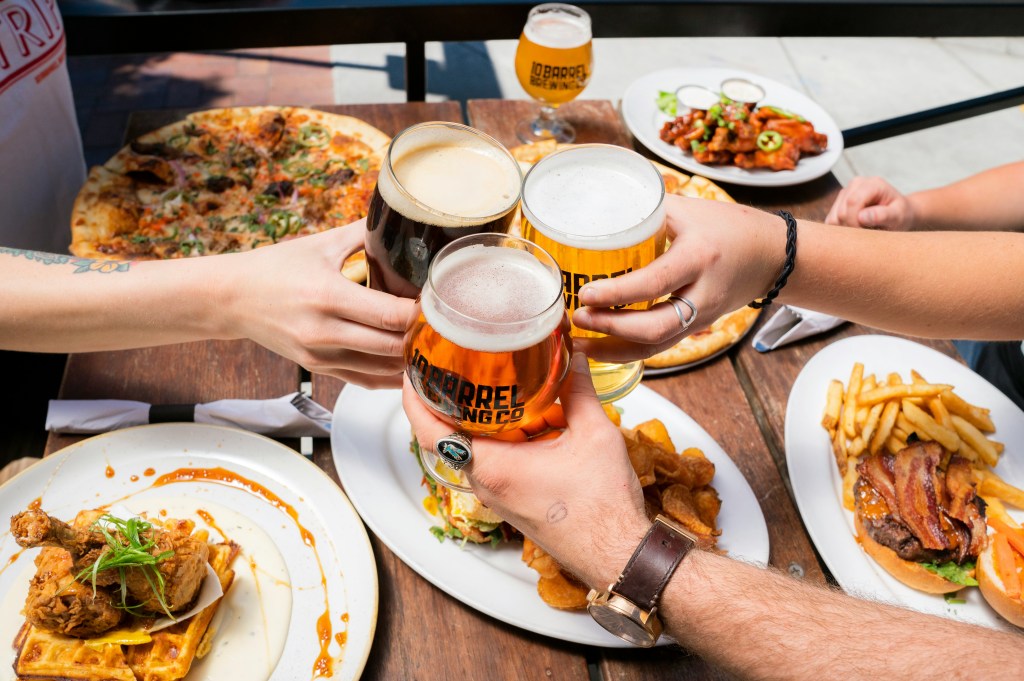
Long weekends are made for celebration, connection, and slowing down. Whether it’s a cookout, a beach trip, or simply enjoying time off with friends and family, holidays often include foods we don’t usually eat, extra drinks, and fewer workouts.
Then Monday hits, and with it, the pressure to “make up” for everything. Maybe you’re thinking about skipping meals, squeezing in two workouts, or punishing yourself for indulging.
But here’s the truth: your body doesn’t need punishment. It needs support. The best way to recover is to return to them with consistency, kindness, and trust.
What Not to Do: Why Overcorrecting Backfires
Restricting Calories Won’t Help
Many people think that eating less the next day will offset the extra calories from the weekend. But restriction often backfires. Skipping meals or drastically cutting calories can leave you feeling low-energy, foggy-headed, and ravenous by nightfall, leading to even more overeating later on.
Instead of “balancing” things out, you’re setting yourself up for a cycle of guilt and compensation. Your metabolism doesn’t reset in 24 hours, and it certainly doesn’t benefit from being starved. It does benefit from nourishment. Protein. Fiber. Hydration. Stability.
The most supportive thing you can do after a big weekend is to eat like you normally would: three balanced meals, snacks if you need them, and plenty of water.
Pushing Extra Workouts Can Do More Harm Than Good
Another common impulse: punishing yourself with extra workouts. Whether it’s adding an extra spin class or running a few more miles, overdoing it at the gym often stems from guilt, not genuine motivation.
And while movement is great for energy, digestion, and mood, overtraining a tired or dehydrated body can actually slow down recovery. When your body is already inflamed from alcohol, lack of sleep, or poor hydration, intense workouts just add more stress to the system.
Instead of chasing a calorie burn, focus on movement that feels good: a walk outside, a light strength session, or your usual workout. Nothing extra, nothing extreme.
Guilt is Not a Workout Plan
Guilt is not a productive motivator. It doesn’t lead to better choices. It leads to all-or-nothing thinking.
When you feel like you’ve “ruined everything,” you’re more likely to spiral into negative behaviors, like skipping meals, avoiding movement, or throwing in the towel altogether.
Holidays are not setbacks; they’re part of life. Your success is not measured by how “perfect” you are, but by how you show up when life gets imperfect.
You don’t need to earn your meals or undo your fun. You just need to keep moving forward.
What to Do Instead: The Recovery Reframe
Return to Your Regular Routine
The best “reset” isn’t a detox or fast – it’s normalcy. Get back to your usual rhythm:
- Eat breakfast
- Drink water
- Move your body
- Go to bed at a reasonable hour
This signals to your body that all is well. It creates consistency and calm, not panic and overcorrection. When you get back into your routine without punishing yourself, you recover faster and feel better both physically and mentally.
Even if you’re bloated or sluggish, trust that your body knows how to rebalance when you support it rather than deprive it.
Prioritize Hydration
One of the simplest and most impactful recovery tools? Water.
After a weekend of salty food, sugary drinks, alcohol, and travel, you’re likely more dehydrated than you think. This contributes to bloating, headaches, cravings, and fatigue.
Start your day with a big glass of water and aim to sip throughout the day. Add electrolytes if you’ve been sweating or drinking. Herbal teas, sparkling water, and fruits like watermelon or cucumber can also help.
Hydration supports digestion, energy levels, and joint health, everything your body needs to bounce back.
Get Quality Sleep
Late nights and altered schedules can throw off your body’s internal clock. Poor sleep impacts everything from hunger cues to mood regulation to exercise performance.
Make sleep a top priority this week:
- Aim for 7–9 hours per night
- Limit screens an hour before bed
- Try a relaxing wind-down routine (reading, stretching, journaling)
- Keep your sleep and wake times consistent
Even just 2–3 nights of high-quality sleep can dramatically improve how your body feels and functions post-holiday.
The Long Game: Progress Isn’t Made or Lost in a Weekend
Fitness is a long game. You won’t get shredded from one perfect day, and you won’t fall off track from one long weekend.
Your progress is built on habits, not extremes. What matters is what you do most of the time, not what you do occasionally.
If your lifestyle doesn’t allow room for celebrations, indulgences, or rest, it’s not a sustainable lifestyle.
Real progress includes flexibility. It includes holidays and vacations and birthday cake.
And most importantly, it includes the ability to bounce back without punishment.
Trust the Process
You didn’t break anything this weekend. You don’t need to fix anything now. What you do need is a return to your routine, with maybe a little extra water, a little extra sleep, and a lot more grace.
Movement, meals, and mindset all work better when they come from a place of care rather than compensation. So take a breath. Drink some water. Make your next meal nourishing. Move your body because it feels good.
Your ability to recover and carry on is what makes you resilient. And that’s what true health is all about.
Written by Emily Greffenius. Reviewed by Meghan Farrell, CPT, BSN
 MFarrellFIT
Leave a comment