
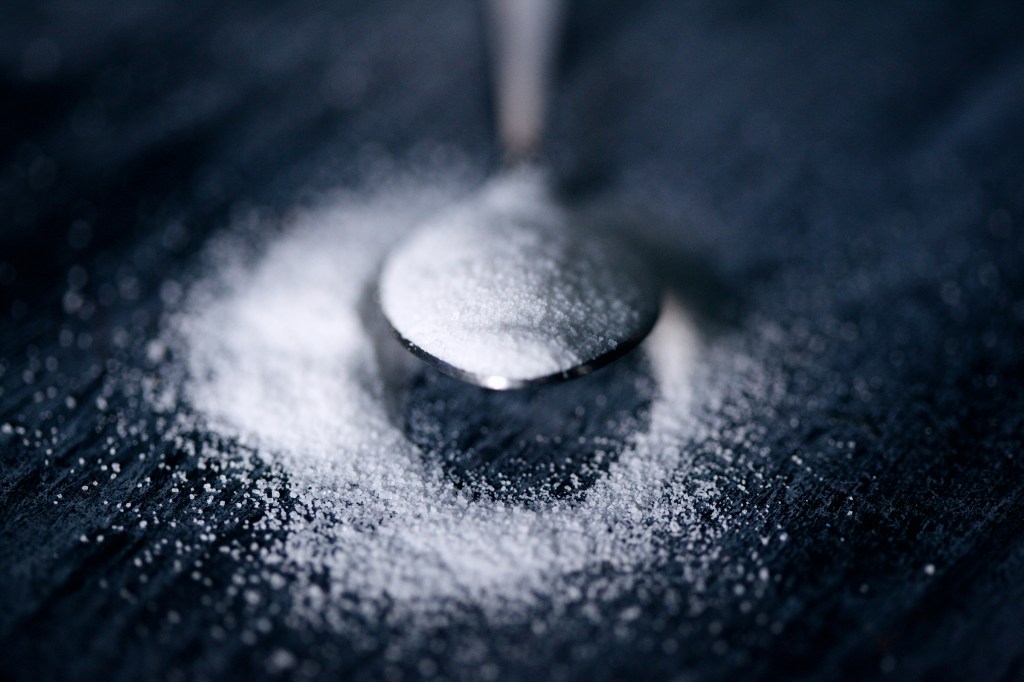
Sugar is everywhere: hidden in processed foods, added to drinks, and even slipped into snacks marketed as “healthy.” With the rising demand for sugar alternatives, stevia has become one of the most popular options.
Marketed as a natural, zero-calorie sweetener, it promises the sweetness of sugar without the crash. But is it really the right choice for everyone? Let’s break down what stevia is, the benefits and drawbacks, and how it compares to other sugar substitutes.
What Is Stevia?
Stevia comes from the leaves of the Stevia rebaudiana plant, native to South America. The compounds extracted from these leaves, called steviol glycosides, are up to 200–300 times sweeter than table sugar. Today, stevia is sold in different forms, including raw or dried leaves, purified extracts, or blends with other sweeteners and fillers.
While the “natural” label appeals to many, not all stevia products are created equal. Whole-leaf stevia is not FDA-approved for use in the U.S., while highly refined extracts and blends are. That means most stevia you see on shelves is processed, even if it originates from a plant.
Potential Benefits & Upsides
One of stevia’s biggest selling points is that it has zero calories and does not raise blood sugar. This makes it particularly appealing to people with diabetes or those managing insulin resistance. For people aiming to reduce overall calorie intake or lose weight, swapping sugar for stevia can cut calories without sacrificing sweetness.
Research also suggests that stevia may help with long-term weight management when used as part of a balanced diet. Major health authorities, including the FDA, World Health Organization (WHO), and European Food Safety Authority (EFSA), recognize purified stevia extracts as safe for human consumption.
Other Considerations & Potential Downsides
Like all sugar alternatives, stevia isn’t without drawbacks. Some people find it has a bitter, licorice-like aftertaste that can overwhelm recipes. Because it is often sold in blends, the added ingredients – like erythritol, dextrose, or maltodextrin – may alter its health profile and cause digestive discomfort.
Another consideration is mindset. Relying too heavily on very sweet sugar substitutes can keep your palate conditioned to crave sweetness, making it harder to reduce sugar intake overall. And while stevia is technically “natural,” it’s still a processed product (unless you’re using the raw leaf, which is not currently FDA-approved in the U.S.).
Stevia vs. Other Sugar Alternatives
With so many sugar substitutes on the market, how does stevia stack up?
- Aspartame: A low-calorie sweetener often used in diet sodas. It’s heat-sensitive, so not great for cooking. While widely used, it has been controversial, and some people prefer plant-based alternatives like stevia.
- Sucralose (Splenda): Heat-stable and good for baking, but some studies suggest it may negatively impact gut health. Stevia avoids some of that debate but can be harder to work with in recipes.
- Monk Fruit: Another natural, zero-calorie sweetener. It’s often seen as more pleasant in taste than stevia, but it’s more expensive and less widely available.
- Erythritol & Other Sugar Alcohols: These are often combined with stevia to add bulk and balance flavor. They provide fewer calories than sugar but may cause bloating or digestive upset.
- Agave & Honey: Natural sweeteners that still contain calories and raise blood sugar. They’re less processed than stevia extracts but don’t offer the same calorie-free benefit.
The bottom line: Stevia holds its own as a natural, calorie-free option, but its taste and processing are downsides compared to monk fruit or even sucralose for certain uses.
Who Might Benefit from Stevia?
Stevia can be a smart choice for people with diabetes, prediabetes, or anyone trying to manage their blood sugar levels. It’s also helpful for individuals focused on weight management, as it provides a sweet flavor without the calories. And for those who want to avoid artificial sweeteners like aspartame, stevia offers a plant-based alternative that’s generally considered safe.
Who Might Want to Be Cautious?
On the other hand, some people may find stevia’s aftertaste unpleasant or notice digestive issues when consuming products blended with sugar alcohols. Those aiming for a whole-food lifestyle might prefer to avoid stevia altogether, since most forms are heavily refined.
Practical Tips for Using Stevia
If you decide to try stevia, start small. A few drops in coffee or tea can help you gauge your taste tolerance. Always read ingredient labels, as many commercial stevia products are mixed with fillers or sugar alcohols. Pair stevia with whole foods, like plain yogurt or oatmeal, rather than ultra-processed foods. And remember, it’s a tool, not a cure-all, for reducing sugar intake.
The Sweet Takeaway
Stevia can be a useful alternative to sugar, offering real benefits for those managing weight, blood sugar, or simply trying to cut back on added sugars. But like any substitute, it’s not perfect, and its effectiveness depends on the individual. For some, it’s a game-changing swap; for others, it may not be worth the taste or digestive trade-offs.
The key takeaway: stevia isn’t a magic bullet, but it can be a smart option when used thoughtfully and in moderation as part of a balanced diet.
Written by Emily Greffenius. Reviewed by Meghan Farrell, CPT, BSN
 MFarrellFIT
Leave a comment